

A Silent Struggle
In recent years, depression and anxiety have become increasingly common among students across schools, colleges, and universities. While academic life is often portrayed as an exciting journey of growth and opportunity, many students silently struggle with mental health challenges that affect their well-being, performance, and future.
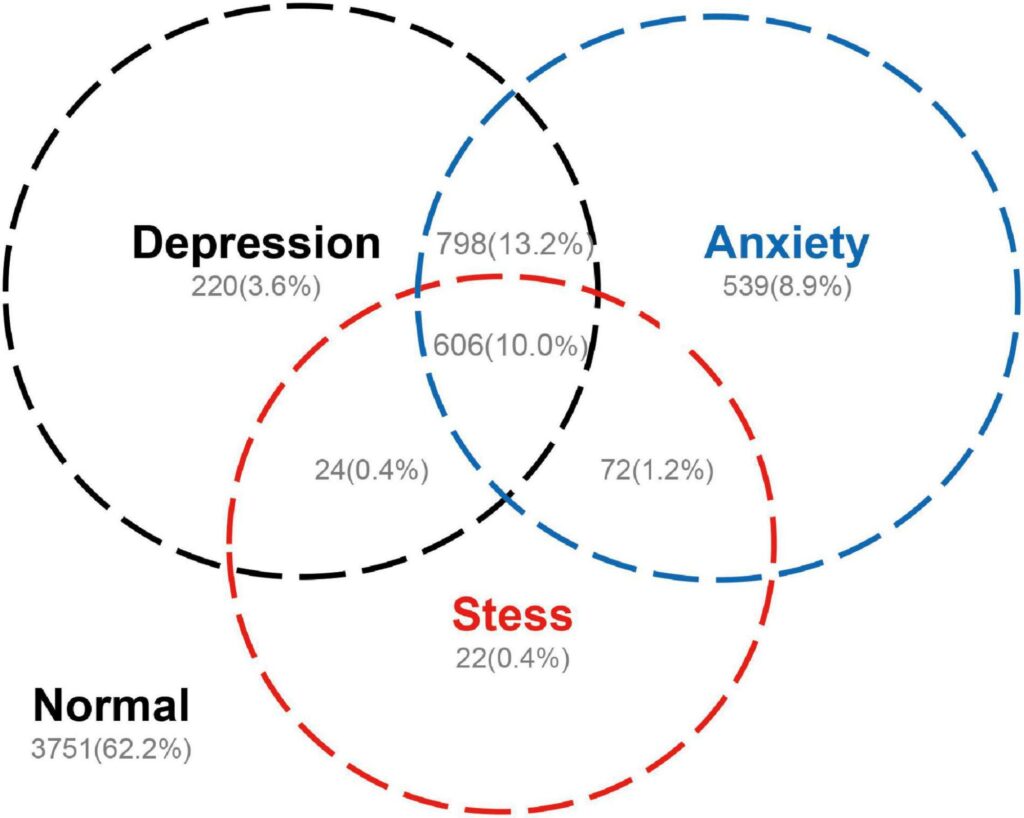
Understanding Depression and Anxiety
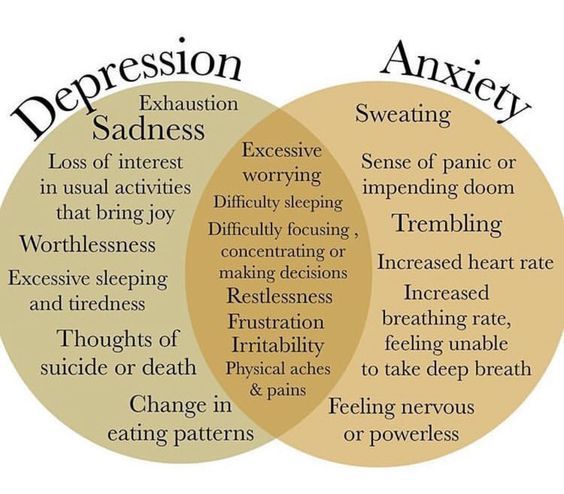
Depression is more than just feeling sad or tired. It is a persistent feeling of hopelessness, loss of interest, low energy, and difficulty concentrating.
Anxiety, on the other hand, involves constant worry, fear, restlessness, and physical symptoms such as rapid heartbeat or difficulty breathing.
Both conditions can affect students regardless of age, background, or academic achievement.
Why Are Students So Affected?
Several factors contribute to rising mental health issues among students:
- Academic Pressure: High expectations, exams, competition, and fear of failure can overwhelm students.
- Social Pressure: The need to fit in, maintain friendships, and compare oneself to others—especially on social media—can lead to low self-esteem.
- Uncertain Future: Concerns about career choices, employment, and financial stability add constant stress.
- Lack of Support: Many students feel unable to openly talk about their struggles due to stigma or fear of judgment.
- Lifestyle Changes: Poor sleep, unhealthy eating habits, and lack of physical activity also impact mental health.
Warning Signs to Watch For
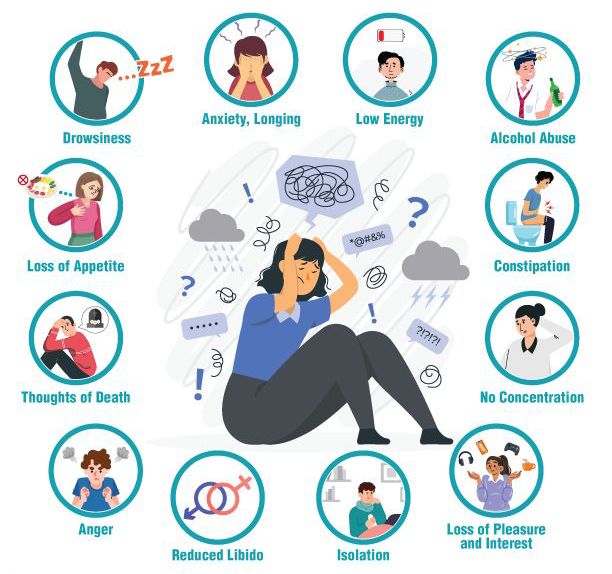
Recognizing early signs is crucial. Common symptoms include:
- Constant sadness or irritability
- Loss of interest in studies or activities
- Difficulty sleeping or sleeping too much
- Changes in appetite
- Trouble concentrating
- Feelings of worthlessness or excessive worry
- Avoiding friends or social situations
If these symptoms last for weeks, professional help should be considered.
Impact on Academic and Personal Life
Depression and anxiety can significantly affect a student’s ability to learn, participate in class, and perform well in exams. Beyond academics, they can damage relationships, reduce confidence, and lead to isolation. In severe cases, untreated mental health issues may result in self-harm or suicidal thoughts.
Breaking the Stigma
One of the biggest barriers to mental health care is stigma. Many students believe seeking help is a sign of weakness, but in reality, it is a sign of strength. Talking openly about mental health can create a supportive environment where students feel understood and accepted.
How Students Can Take Care of Their Mental Health
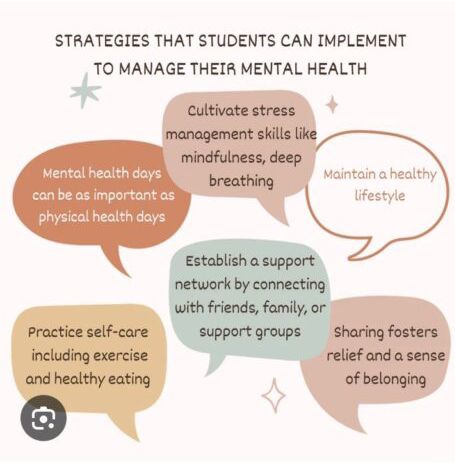
- Talk to Someone: Share your feelings with a friend, family member, teacher, or counselor.
- Seek Professional Help: Psychologists, therapists, and counselors are trained to help.
- Maintain a Routine: Balanced sleep, healthy meals, and regular exercise make a big difference.
- Limit Social Media: Constant comparison can increase anxiety.
- Practice Self-Care: Meditation, journaling, or hobbies can help reduce stress.
- Ask for Academic Support: Extensions or accommodations are often available.
Role of Educational Institutions
Schools and colleges must play an active role by providing counseling services, mental health awareness programs, and a safe space for students to express themselves. Teachers should be trained to recognize signs of mental distress and guide students toward help.
Conclusion
Depression and anxiety among students are real, serious, and growing concerns. Addressing them requires understanding, compassion, and collective effort from students, families, and institutions. No student should feel alone in their struggle. Mental health matters just as much as academic success, and taking care of the mind is the first step toward a healthier and brighter future.