
Understanding the Reality of Night Crimes
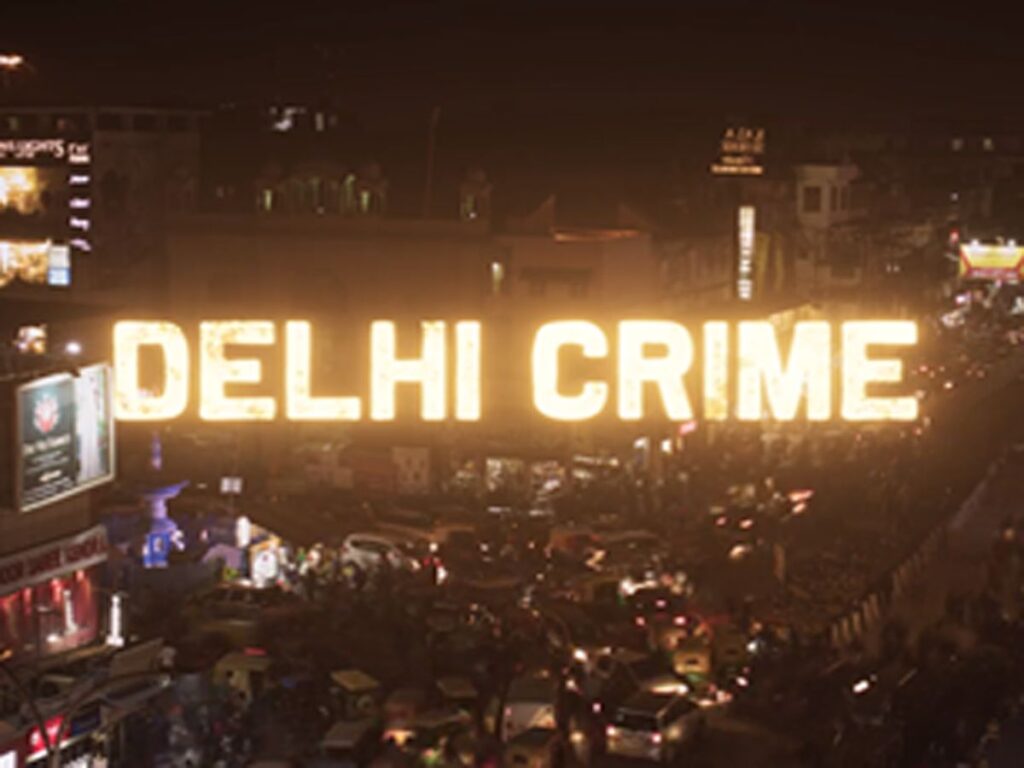
Delhi, a city that never truly sleeps, transforms after sunset. Neon-lit streets, late-night eateries, night shifts, and endless traffic reflect a metropolis in motion. Yet, alongside this energy exists a harsher reality—night-time crime. Delhi night crimes have long been a subject of concern, debate, and urgent public discussion, touching issues of safety, governance, and social responsibility.
The Night-Time Crime Landscape
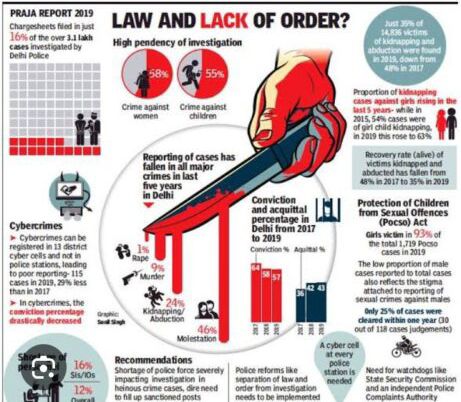
Crimes occurring at night in Delhi range from street thefts and vehicle-related offenses to more serious acts such as assaults, harassment, and organized criminal activity. Reduced visibility, thinner crowds, and slower emergency response times often create conditions that criminals exploit. Areas with poor lighting, isolated roads, and limited police presence become particularly vulnerable.
Women, night-shift workers, delivery personnel, migrants, and daily wage earners are among those most at risk. For many, the fear of crime becomes an unavoidable part of navigating the city after dark, shaping routines and limiting freedom.
Why Night Crimes Persist
1. Urban Density and Inequality
Delhi’s vast population and stark socio-economic disparities play a major role. Pockets of extreme wealth exist alongside informal settlements with limited access to resources, employment, and education. Crime often becomes a symptom of deeper systemic neglect rather than an isolated act.
2. Infrastructure Gaps
Poor street lighting, broken sidewalks, abandoned buildings, and unmonitored public spaces provide opportunities for criminal activity. Urban planning that ignores night-time safety inadvertently creates danger zones.
3. Policing Challenges
While Delhi Police conduct night patrols and checkpoints, manpower constraints and uneven deployment affect effectiveness. Crimes in outer districts and semi-urban zones are often harder to monitor than those in central areas.
4. Alcohol and Substance Abuse
Late-night alcohol consumption and drug use frequently escalate conflicts, leading to assaults, reckless behavior, and violent crimes.
Impact on Citizens
The psychological impact of night crime is as damaging as physical harm. Constant fear alters behavior—people avoid late travel, choose expensive transport options, or turn down job opportunities requiring night shifts. Women, in particular, carry the burden of hyper-vigilance, forced to prioritize safety over personal freedom.
Businesses operating at night also suffer. Reduced foot traffic, higher security costs, and reputational risks affect the city’s economic vitality and nightlife culture.
Media, Perception, and Reality
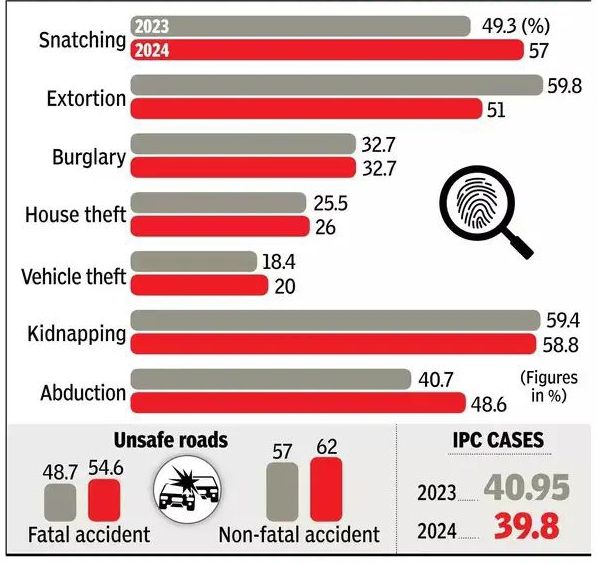
Media coverage plays a dual role. On one hand, it highlights real issues and holds authorities accountable. On the other, sensational reporting can amplify fear beyond statistical reality. While not every night in Delhi is dangerous, high-profile incidents leave lasting impressions, reinforcing the perception of the city as unsafe after dark.
Balanced reporting and transparent crime data are essential to understanding where interventions are needed most.
Steps Toward Safer Nights
Improving night-time safety in Delhi requires coordinated action:
Better Lighting and Surveillance
Functional streetlights, CCTV cameras, and emergency call points can significantly deter crime when properly maintained and monitored.
Community Policing
Involving local residents, shop owners, and transport workers in safety initiatives strengthens trust and improves information flow between citizens and police.
Technology-Driven Solutions
Mobile safety apps, GPS-enabled public transport, panic buttons, and real-time monitoring systems have already shown promise and need wider adoption.
Gender-Sensitive Policies
Women’s safety must be central to night-time planning—from transport routes to public toilets and policing strategies.
Addressing Root Causes
Long-term crime reduction depends on tackling unemployment, addiction, lack of education, and social exclusion. Crime prevention is not just a law enforcement issue but a social one.
A Shared Responsibility
Delhi’s night crimes are not merely a policing failure or a citizen’s burden—they reflect the collective health of the city. Governments must invest in infrastructure and enforcement, communities must stay alert and cooperative, media must report responsibly, and individuals must look out for one another.
A safer Delhi at night is possible—not through fear, but through planning, accountability, and empathy.
Conclusion
Delhi after dark is a mirror of its daytime reality—complex, vibrant, and troubled. Acknowledging night crimes is not about painting the city as unsafe, but about demanding better systems and stronger protections for those who keep the city running while the rest sleep. Only when safety becomes a right rather than a privilege will Delhi truly shine at night.